Why "Vibe Coding" Can't Teach Game Architecture and Design
When students bypass the friction of building basic mechanics from scratch, they miss out on the mental models required to diagnose why two systems are fighting over the same variable.
I am Joe Stallings: a Georgia Tech graduate (earning Dean's List honors at one of the nation's top-ranked public research and technological institutions), adjunct professor at Southern New Hampshire University, technical designer, and automation consultant. Quadratic Games is my play laboratory. It is where I test experimental game mechanics, build procedural tools, stress-test automation scripts, and document what works in the classroom and the business world.
Whether exploring procedural levels in Unreal Engine 5, scripting Python bridges for Blender, or helping companies leverage AI to automate their businesses, this is the sandbox where ideas get built, broken, and documented.


When students bypass the friction of building basic mechanics from scratch, they miss out on the mental models required to diagnose why two systems are fighting over the same variable.
Experiments, pipeline scripts, and playable prototypes I build for the fun of tinkering — then hand straight to my students as classroom material. Every one of them is a way to chase an idea and show students how it comes together. Live demos and source code for the whole collection are on the projects page.

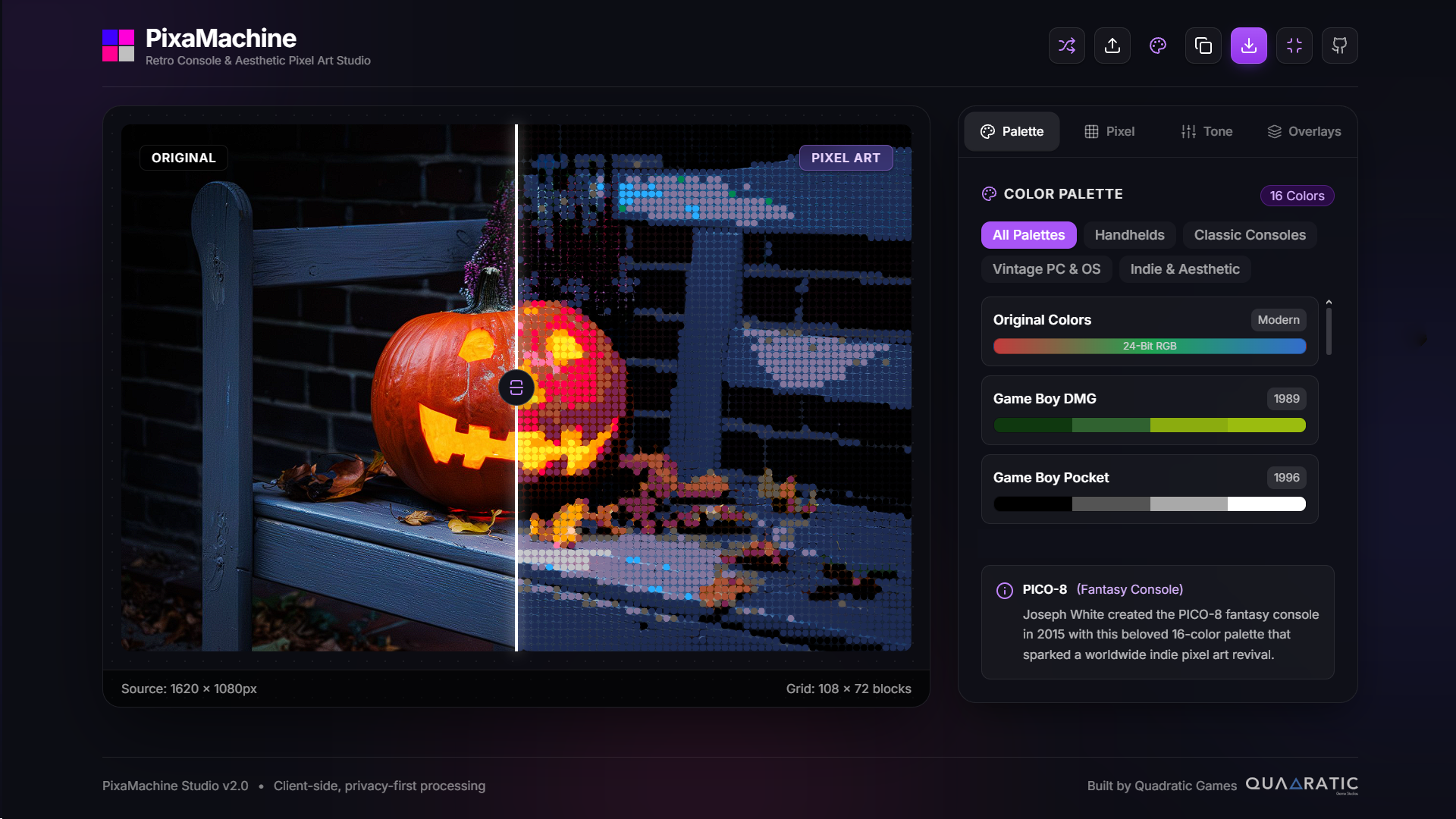
Retro console and aesthetic pixel art studio. Converts any photo into iconic pixel art with authentic Game Boy, NES, CGA, PICO-8, and Commodore 64 palettes, using ordered Bayer and Floyd-Steinberg dithering - all processed client-side in the browser.

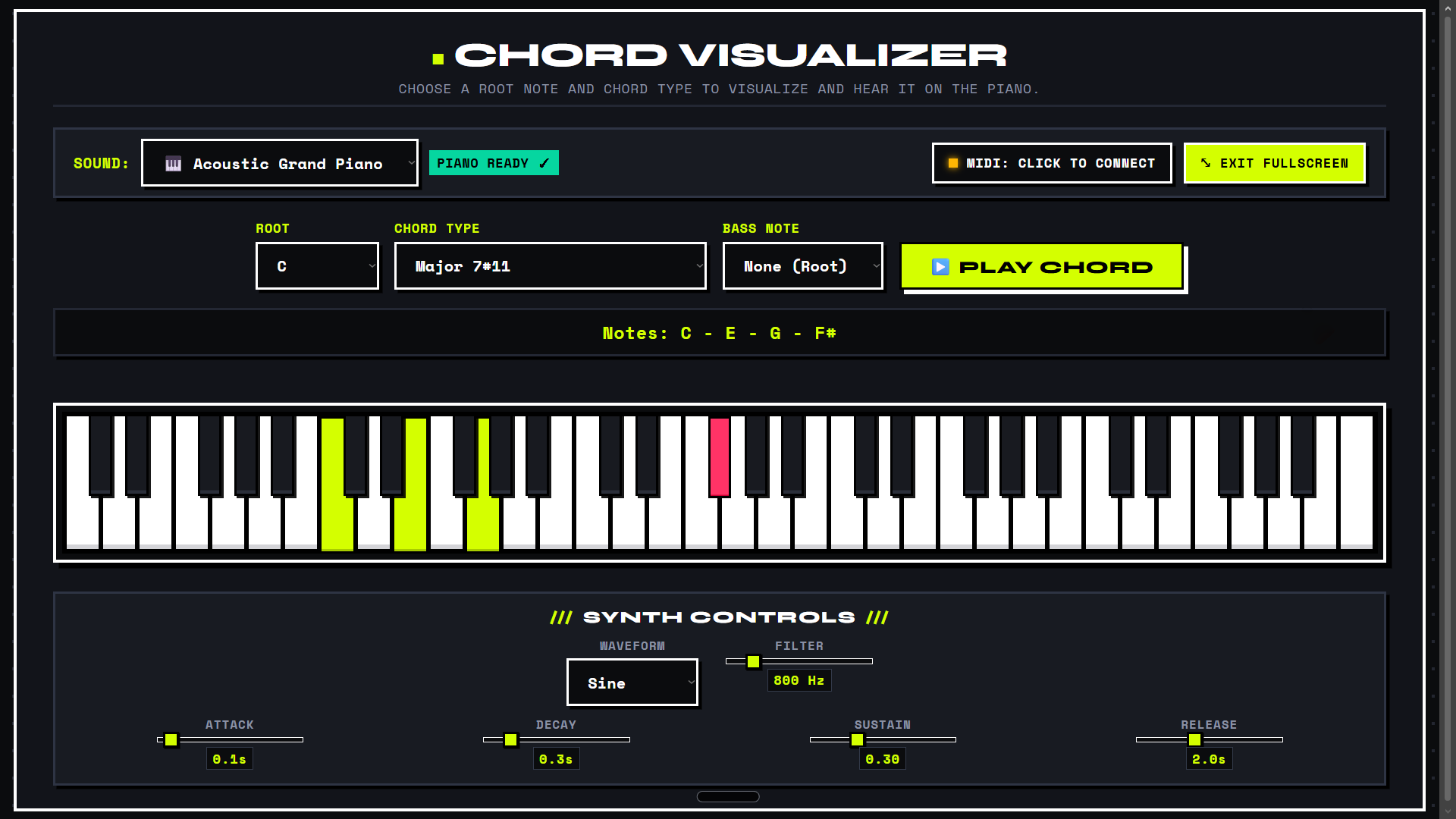
Interactive chord synthesizer and visualizer. Features advanced chord string parsing (e.g. Cmaj9, F#m7b5), an interactive 3-octave piano keyboard, polyphonic Tone.js synthesis, ADSR envelopes, and live QWERTY chord detection.

Cyber-brutalist tactical post-game analytics dashboard for Heroes of the Storm .StormReplay files. Parses Blizzard game telemetry to generate combat breakdowns, talent timelines, 2D death heatmaps, and TruScore™ performance ratings.
Recent write-ups, design postmortems, and tutorials from my work in the classroom and game engines. Search keywords and browse all categories in the complete archive index.

When students bypass the friction of building basic mechanics from scratch, they miss out on the mental models required to diagnose why two systems are fighting over the same variable.

Why first-time developers and game design students fail when chasing massive open-world pitches, and how building an inventory of modular, shippable micro-prototypes creates lasting momentum.

Flowcharts and pseudocode help kickstart your designs.They give you a fast, low-friction way to test your logic before writing your first line of code.

Surround yourself with what genuinely sparks curiosity. My LEGO models aren't just decorations. They are daily reminders of why I love design and why I teach.

We’ve built schools that obsess over what students know instead of how they think. Let's change that.

They tech giants don't need to be first. They just need to be the default setting on your phone or laptop.