Two Game Jams, Three Shipped Games, and What I Learned Along the Way
Over the past two and a half weeks, I somehow ended up participating in both the Official Unity Game Jam 2026 and the Epic MegaJam. I’ve never seen Unity and Epic run their major jams that close together, so doing both back-to-back was a bit of a whirlwind. On top of those two, I also finally pushed a third game across the finish line that I had been tinkering with for quite a while.
Here is a quick look at what I built and a few things the whole sprint reminded me about making games.
The Games
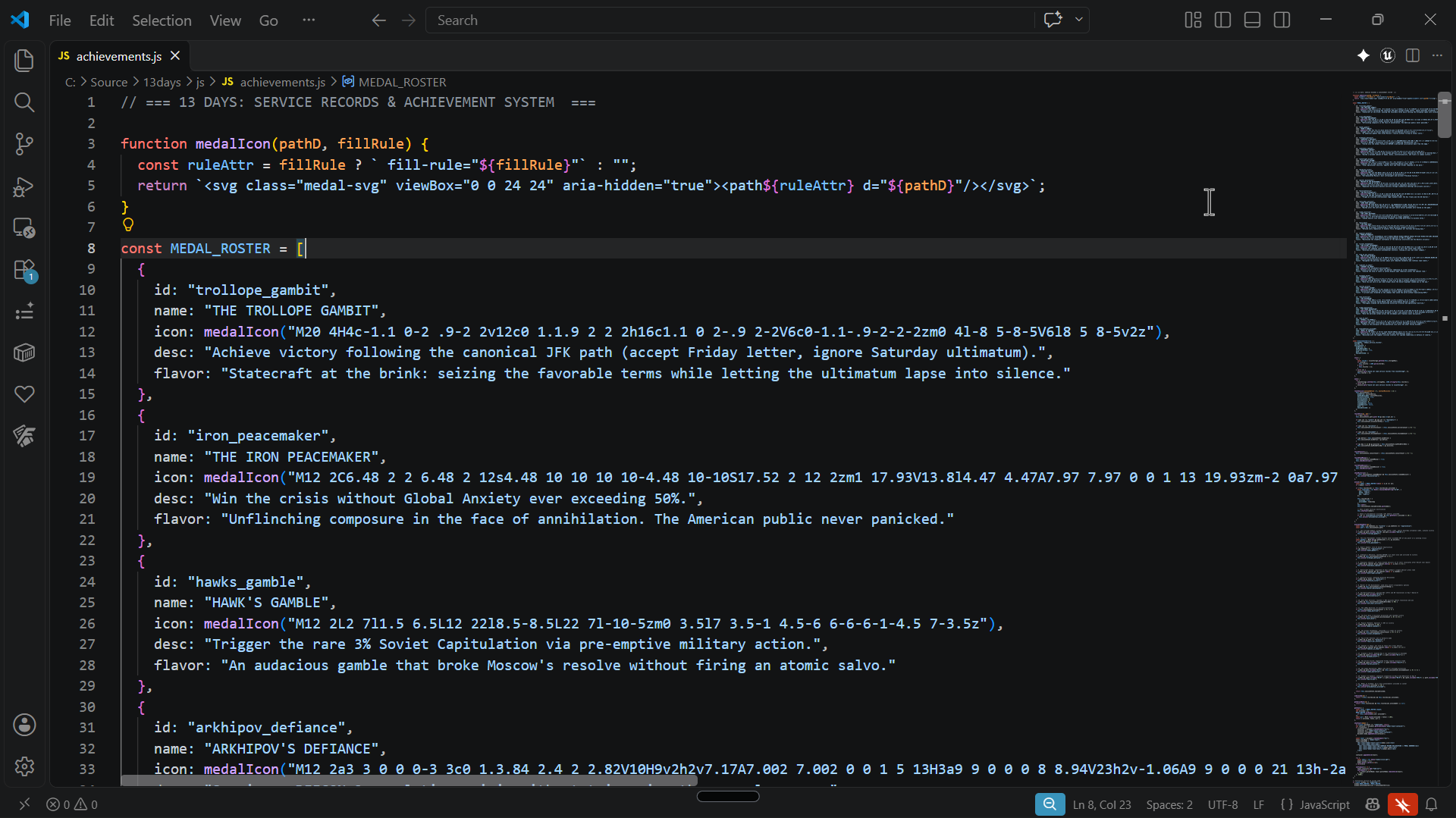
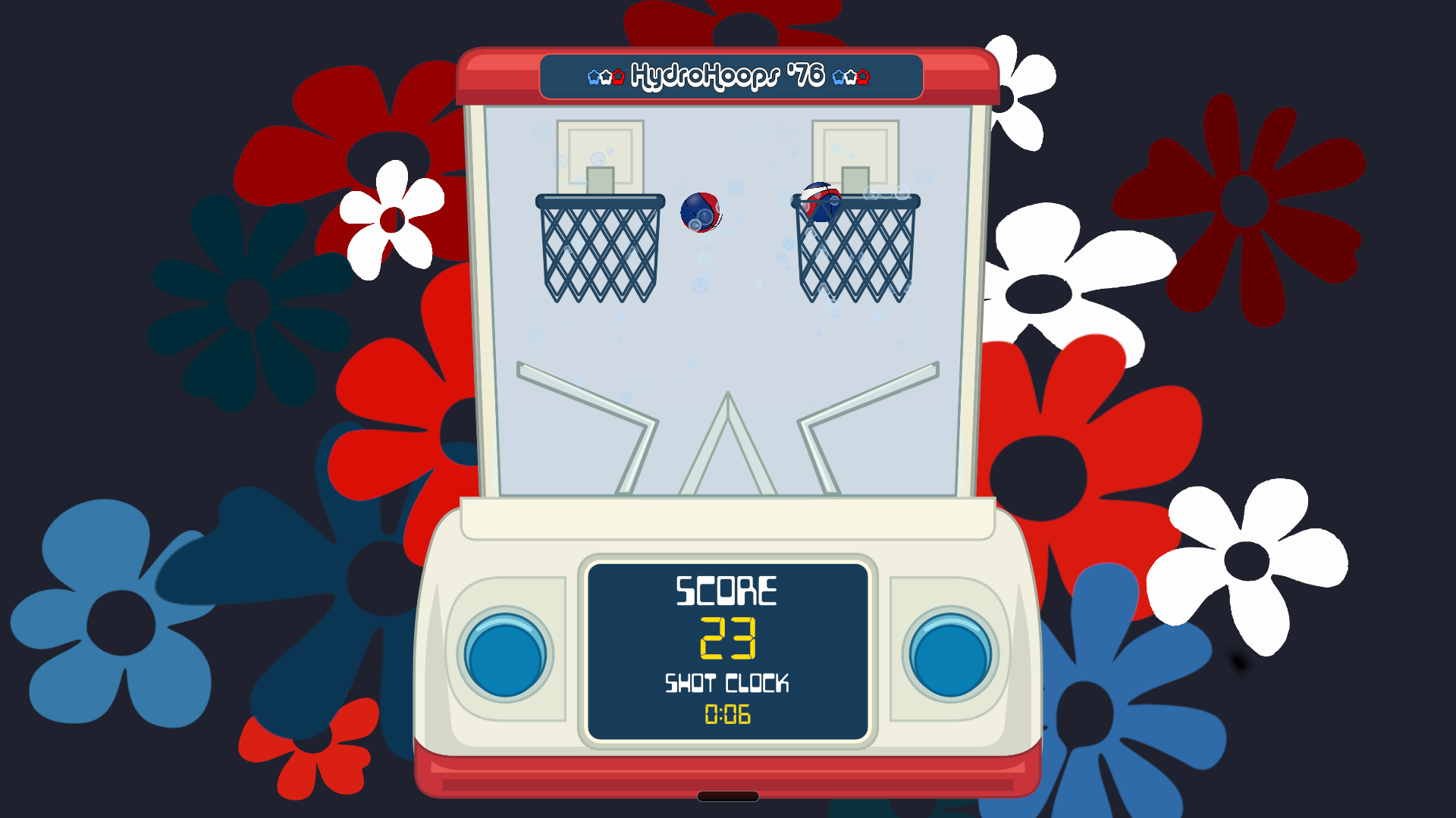
HydroHoops (Official Unity Game Jam 2026) This one is a throwback to those handheld water-ring basketball toys from the 1970s (like the old Tomy Wonderful Waterfuls, which I actually had as a kid and still have a soft spot for). I’ve spent most of the last ten years working in Unreal Engine rather than Unity, so this jam was a good excuse to dust off my Unity skills. Even though it plays like a 2D game, it actually runs in a 3D scene set up to look flat. Along the way, I learned a lot about building UI layouts in Figma and bringing them straight into Unity with a few clicks, which saved me a ton of time. It was also the first prototype where I ever bothered implementing an achievement system, which turned out to be a fun rabbit hole.
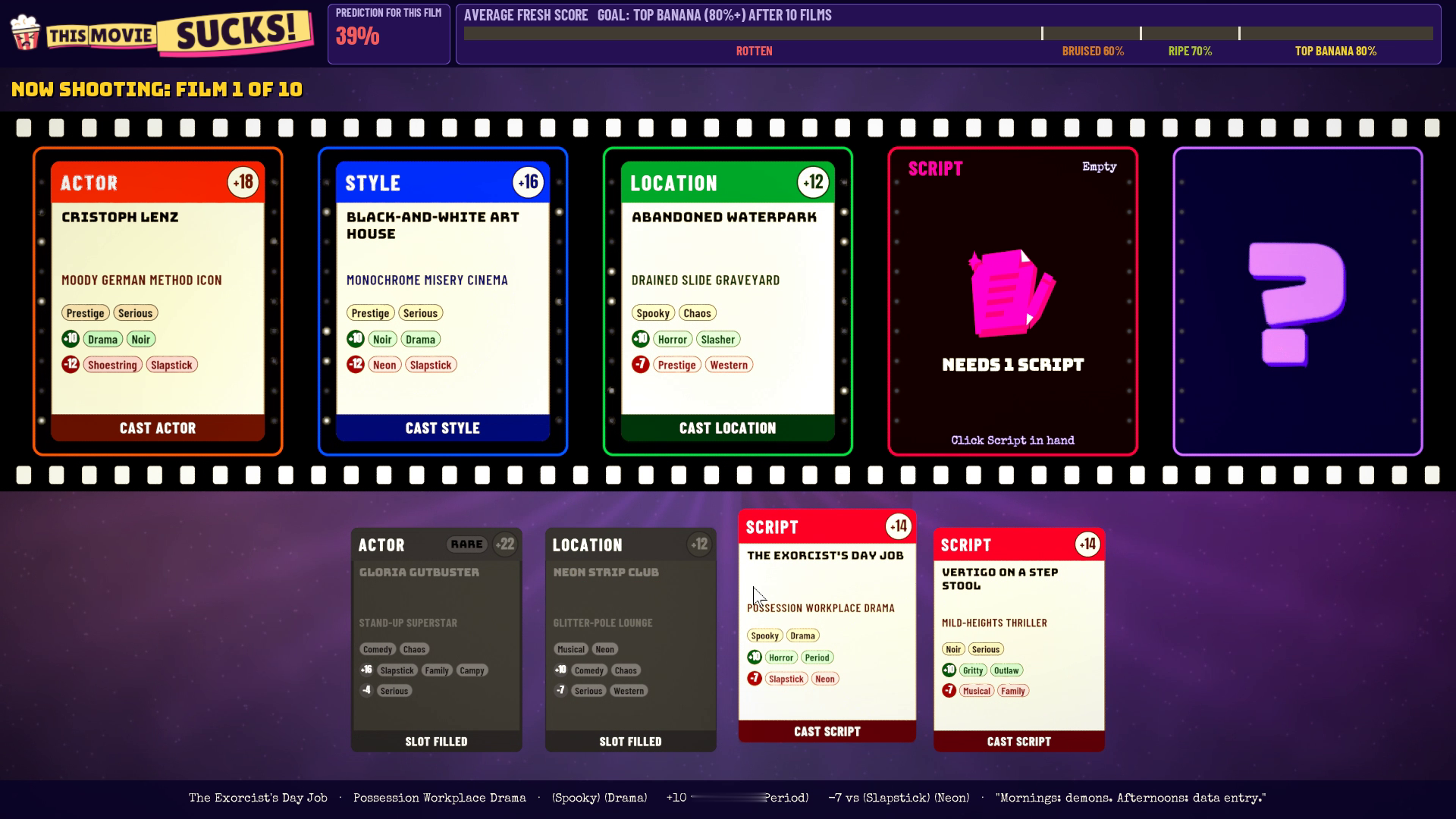
This Movie Sucks (Epic MegaJam) The MegaJam only gave us about four days, so I needed a concept I could build fast without getting bogged down in complex systems. This Movie Sucks is a lightweight deck-builder where you try to assemble cards into a movie release that pulls decent reviews across a couple of runs. Since the time limit was tight, I leaned heavily on comedy and absurd card combinations rather than deep mechanical complexity.
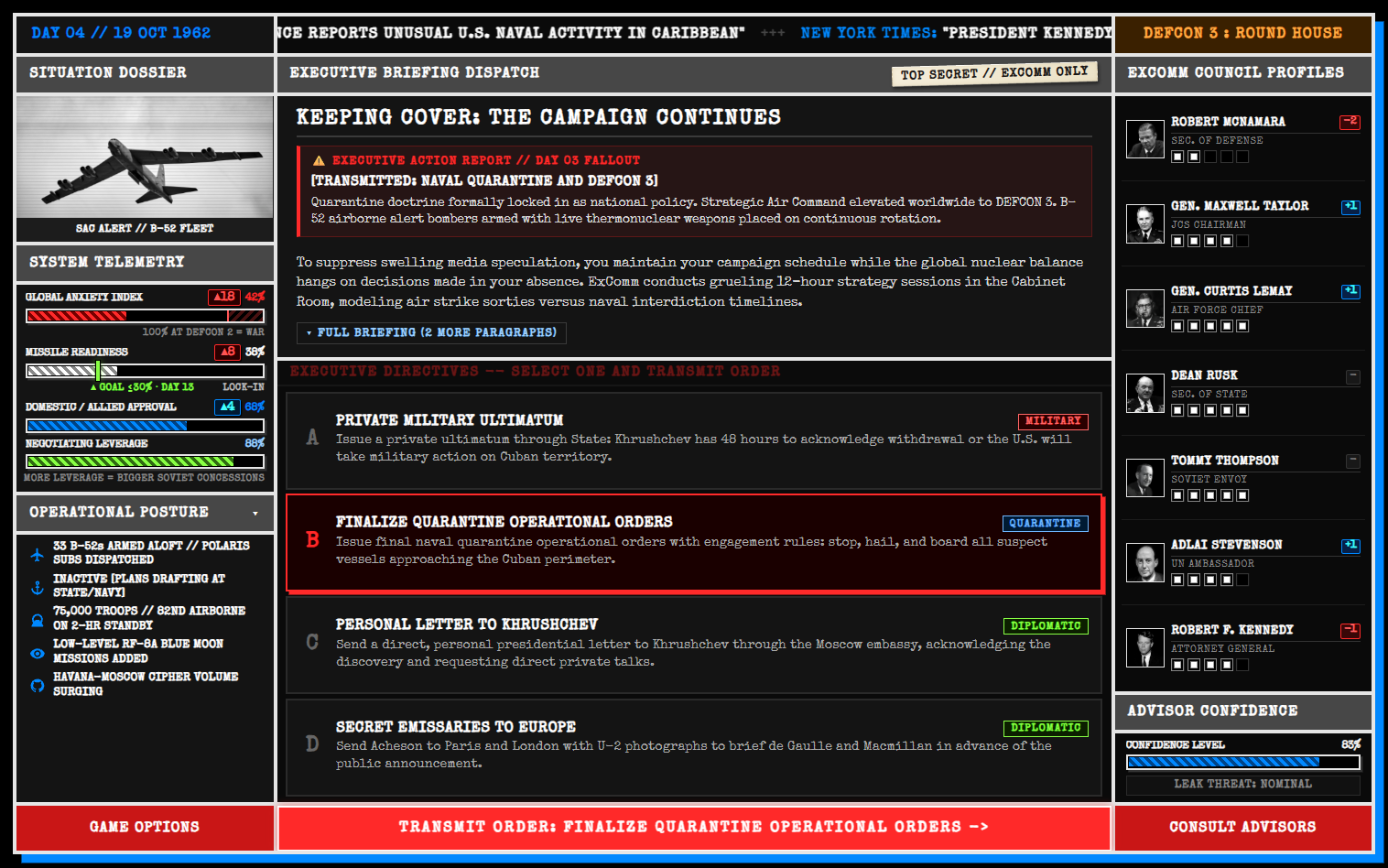
13 Days in October Once I turned in my Unreal submission, I still had some momentum left and a bit of spare time, so I finally polished off a Cuban Missile Crisis strategy game I’ve been building. You play as the president navigating real historical events and actors in a “what-if” scenario capped at 13 turns. My degree at Georgia Tech was actually in international affairs, even though my career ended up in software, games, and simulations. Senior year, we spent a lot of time running foreign policy simulations and war games, and that never really left me. Building a game around political risk, incomplete information, and tough tradeoffs felt like coming full circle.
Five Takeaways from the Sprint
1. Crossing the finish line beats chasing a masterpiece The real value of a game jam isn’t building the next indie hit. It’s proving to yourself that you can scope something small, get it working, and ship it. In my own teaching, I see students get stuck all the time because their initial vision is way too big. They try to build five interlocking systems before they even know if the core loop is fun, get frustrated, and abandon the project. Jams force you to focus on one or two mechanics and actually finish. Considering that roughly 80% to 90% of people who sign up for a jam never end up submitting a build, just uploading a playable file puts you ahead of the pack.
2. Look outside of games for your best ideas Both HydroHoops and 13 Days in October came from things that have nothing to do with modern video games: a plastic 1970s desk toy and Cold War history. You don’t need to make another minor variation on a dungeon crawler or a first-person shooter. Will Wright built a career out of turning mundane systems into great games, taking civic infrastructure and traffic patterns to make SimCity, and later building The Sims around everyday routines (which we used to half-jokingly call “the toilet game” back when I was at EA). Everyday hobbies work great for this. Personally, I love growing hot peppers in my backyard, and I’ve already started prototyping a strategy game around pepper genetics and farming.
3. Fail fast, fail cheap This Movie Sucks actually came together in the final 48 hours of the jam because I burned the first two days on prototypes that just didn’t work. The jam’s theme was “Director’s Cut,” and my first instinct was a horror game called The Director Cuts, where you’re trapped on a soundstage being hunted by a director whose movie just bombed. Eight hours in, I didn’t even have a satisfying core loop. I scrapped it, tried another idea that also stalled out, and finally landed on the deck-builder. Throwing away 16 hours of work hurts in the moment, but recognizing a dead end early is the only way you survive a short deadline.
4. Save at least 25% of your schedule for polish Across both jams, I spent at least a quarter of my time just polishing. Maybe that’s just my personal preference, but a simple game with snappy UI, clean feedback, and zero game-breaking bugs will almost always beat a game with ambitious mechanics that barely hold together.
5. The real takeaway is your workflow After doing jams and hackathons for years, I’ve stopped judging them strictly by how good the final game turns out. What actually sticks with you are the habits and pipelines you build under pressure: figuring out a fast Figma-to-Unity UI workflow, getting source control sorted out quickly, or learning when to cut a feature. These are the tools you carry back into your bigger, long-term projects.