The Ethics of Using AI in Game Development: Art, Code, and Beyond
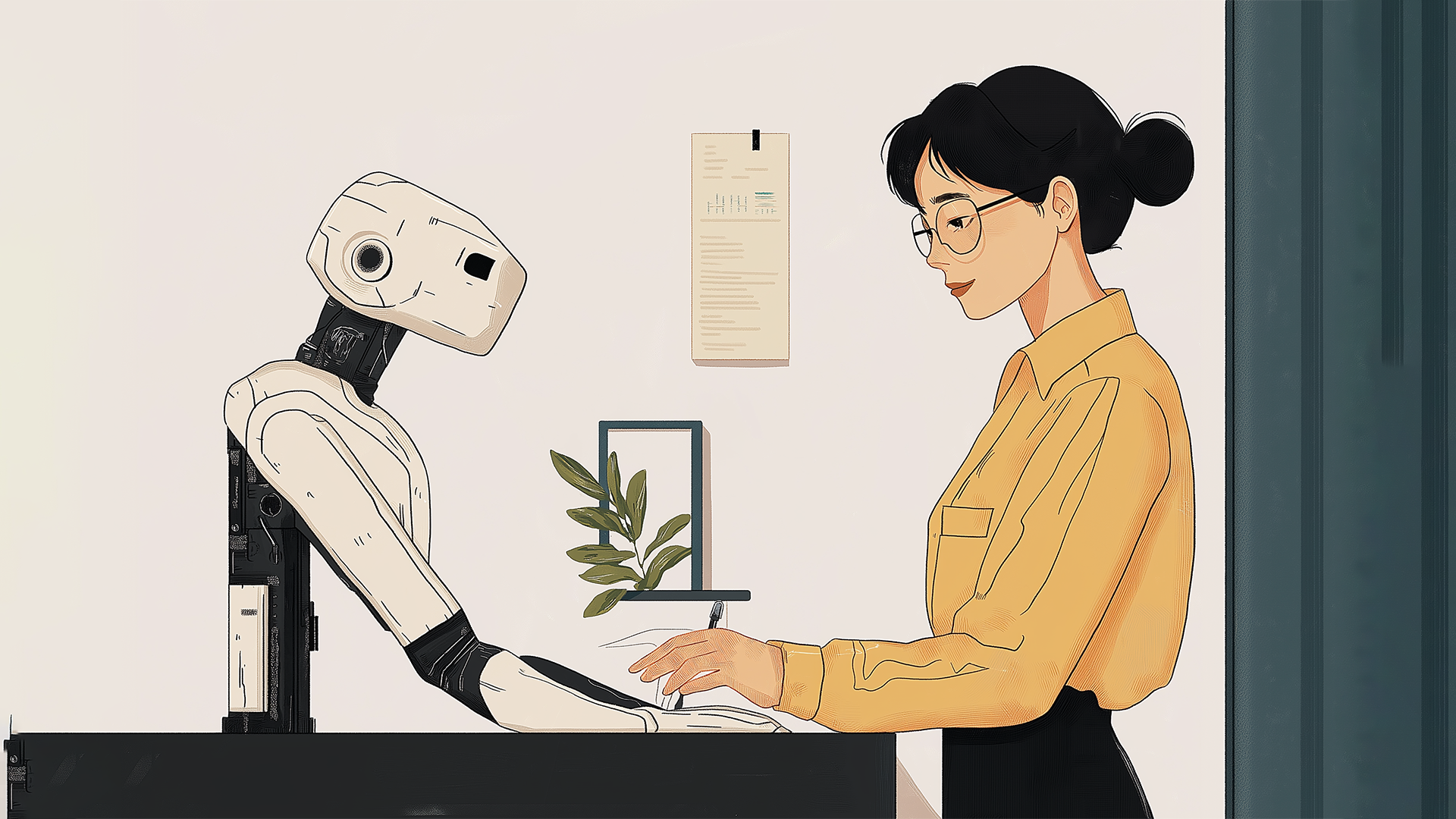
The gaming industry has always been a pioneer in adopting cutting-edge technology, and artificial intelligence (AI) is no exception. From creating stunning visuals to writing intricate code, AI is fundamentally reshaping how games are developed. Tools like MidJourney, DALL·E, ChatGPT, and Eleven Labs are empowering developers to work more efficiently and cost-effectively than ever before, even lending their voices to characters in ways that once required full recording studios and professional voice actors.
However, as with any transformative technology, AI brings a host of ethical questions. Who owns AI-generated content? How does it affect the people behind the games—the artists, writers, programmers, and voice actors? Let’s break down the implications of using AI in game development, touching on art, code, and the broader industry landscape.
The Promise of AI in Game Development
AI opens up exciting possibilities for developers, offering:
- Efficiency and Cost Savings: AI can handle time-consuming, repetitive tasks, like generating textures, debugging code, or designing levels. This frees up developers to focus on innovation and creative problem-solving.
- Accessibility: Smaller studios and indie developers now have access to tools that help them compete with larger companies. The playing field has never been this level.
- Creativity and Exploration: AI can spark ideas that might never emerge otherwise, generating new art styles, plot twists, or gameplay mechanics that push boundaries.
While these benefits are exciting, they don’t come without challenges.
Ethical Concerns in AI-Generated Art
Art is at the core of game development, and AI’s ability to generate striking visuals has raised some important ethical debates.
- Originality and Ownership: AI art is often trained on massive datasets, including copyrighted material. This raises tough questions: who owns the final product, and does using such datasets violate the rights of the original creators?
- Devaluing Human Artists: As AI becomes increasingly capable of producing high-quality art, there’s a real concern that human artists could be overlooked or undervalued. While AI can handle concept sketches or repetitive tasks, it can’t replicate the depth, intention, and emotional connection human artists bring to their work.
- Bias in Training Data: The diversity—or lack thereof—in training data impacts the art AI produces. If AI models are trained on biased or non-representative datasets, the results could perpetuate stereotypes or exclude underrepresented perspectives.
For developers, the challenge is to use AI as a tool to enhance human creativity, not as a replacement for it.
Ethical Challenges in AI-Generated Code
In addition to transforming art, AI is also reshaping how games are coded. Tools like GitHub Copilot can write, debug, and optimize code, but not without raising concerns.
- Intellectual Property: AI-generated code often draws from publicly available sources, which may include proprietary or licensed material. Developers need to ensure they’re not unintentionally stepping into legal gray areas.
- Quality and Accountability: AI-generated code isn’t foolproof. Bugs, inefficiencies, or security vulnerabilities can slip through, potentially leading to game-breaking issues. The question of who’s ultimately responsible—the developer or the AI—remains tricky.
- Job Displacement: As AI handles more routine programming tasks, there’s a risk that entry-level positions for aspiring developers could shrink. This could limit opportunities for newcomers to learn and grow within the industry.
For developers, the challenge is to use AI as a tool to enhance human creativity, not as a replacement for it.
To mitigate these risks, developers must approach AI-generated code with caution, conducting thorough reviews and tests before integrating it into their projects.
Broader Implications for the Gaming Industry
AI’s influence extends beyond art and code. It has the potential to reshape the industry in broader ways:
- Labor Practices: As studios adopt AI, they may reduce staff or shift work to lower-paid roles focused on training and maintaining AI systems. This could exacerbate issues like job insecurity and crunch culture.
- Player Experience: AI can personalize gameplay based on individual player behavior, which opens up exciting possibilities—but also raises questions about privacy and ethics. Are these systems being designed to enhance the experience or to encourage addictive behaviors for profit?
- Cultural Impact: As more studios rely on the same AI tools, there’s a risk of homogenization. Games could lose some of their individuality and cultural distinctiveness if AI-generated content starts to dominate.
A Framework for Ethical AI Use in Gaming
To harness the benefits of AI without losing sight of ethical considerations, developers can follow these principles:
- Transparency: Be upfront with players and collaborators about how AI is being used in game development. This builds trust and respect.
- Fair Compensation: When AI tools are trained on human-created content, the original creators should be credited or compensated appropriately.
- Human Oversight: AI should complement human creativity, not replace it. Human artists, writers, and programmers must remain central to the process.
- Diversity and Inclusion: Developers should prioritize diversity in their training data and development teams to ensure that AI-generated content reflects a wide range of perspectives.
A Balanced Future for Gaming
AI offers incredible opportunities to revolutionize game development, but it’s up to developers to ensure it’s used responsibly. By addressing ethical concerns head-on, we can build a future where AI enhances creativity rather than eroding it, where innovation thrives without sacrificing individuality or fairness.
The future of gaming doesn’t lie in replacing people with machines—it lies in collaboration. With AI as a tool, developers can create experiences that are not only groundbreaking but also meaningful and ethical.
After all, at its heart, gaming is about connecting with others, sharing stories, and exploring worlds. That’s something both humans and AI can build together.